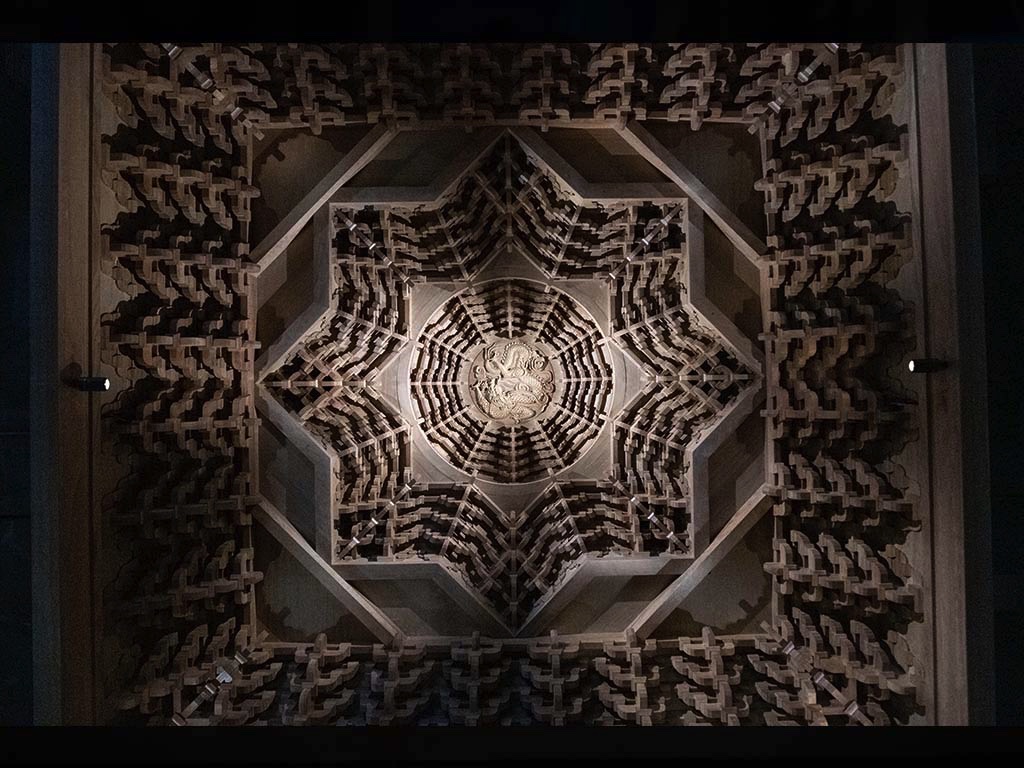
Taoist Rites
Introduction
Taoist rites are a central component of Taoism, a religion and philosophical tradition that originated in China. These rites encompass a diverse array of ceremonies and rituals designed to harmonize individuals with the cosmos, promote spiritual well-being, and cultivate a sense of balance and harmony in life. Taoism, with roots tracing back to ancient Chinese folk beliefs, emphasizes living in harmony with the Tao (the Way), a fundamental principle that denotes the underlying natural order of the universe. Taoist rites, therefore, are deeply intertwined with the philosophical tenets and religious practices of Taoism, serving as essential expressions of its spiritual and cultural values.
History
The history of Taoist rites is as old as the religion itself, with origins that can be traced back to the Shang Dynasty (c. 16th century–11th century BC). During the late Han Dynasty (206 BC–AD 220), Taoism began to incorporate the concept of Yin and Yang, leading to further religious reforms in the Northern and Southern Dynasties (420–581). The Yuan Dynasty (1271–1368) played a significant role in the development and propagation of Taoist practices, as evidenced by the construction of significant Taoist temples like Yongle Palace. These temples became centers for Taoist worship and practice, where complex rites were performed to engage with the divine and maintain cosmic balance.
Types of Taoist Rites
Life Rites
Taoist life rites encompass ceremonies related to significant life events, such as birth, marriage, and death. These rituals are designed to ensure the well-being and prosperity of individuals and their families. They often involve blessings, prayers, and offerings to deities and ancestors, seeking their guidance and protection.
Seasonal Rites
Seasonal rites are conducted to mark changes in the natural cycle and are closely tied to the agricultural calendar. These rituals often include offerings to deities to ensure good harvests and protection against natural calamities, reflecting the Taoist emphasis on living in accordance with the rhythms of nature.
Healing and Exorcism Rites
Taoist healing and exorcism rites are performed to alleviate physical and spiritual ailments. These rituals may involve the use of talismans, incantations, and specific gestures or movements designed to expel negative energies or malevolent spirits, thereby restoring harmony and health to the individual.
Community Rites
Community rites are large-scale ceremonies conducted for the benefit of entire communities, often involving processions, offerings, and prayers to deities. These rites serve to strengthen communal bonds and align the collective spirit of the community with the cosmic order.
Ritual Practices
Sacred spaces and altars are integral to Taoist ritual practices. Temples and natural sites serve as venues for rites, each meticulously designed to reflect cosmic principles. Altars are adorned with offerings and symbols of the Tao, providing focal points for worship and spiritual activities.
Taoist rituals incorporate various instruments such as bells, gongs, and flutes, which are used to create a sacred soundscape conducive to spiritual experiences. Ritual attire, often rich robes symbolizing various cosmic elements, is worn by priests to embody the principles of Taoism and enhance the ceremonial atmosphere.
Modern Adaptations
In modern times, Taoist rites have evolved to accommodate contemporary lifestyles and needs. Urban temples provide spaces for meditation and stress relief, offering practices like baduanjin qigong to promote physical and mental health. These modern adaptations reflect the enduring relevance of Taoist principles in fostering well-being and harmony in today's fast-paced society.








